Launch
Rocket Lab
HASTE | Prometheus Run (VAN)
- Mission
- rocket
- Pad
- Agency
Mission
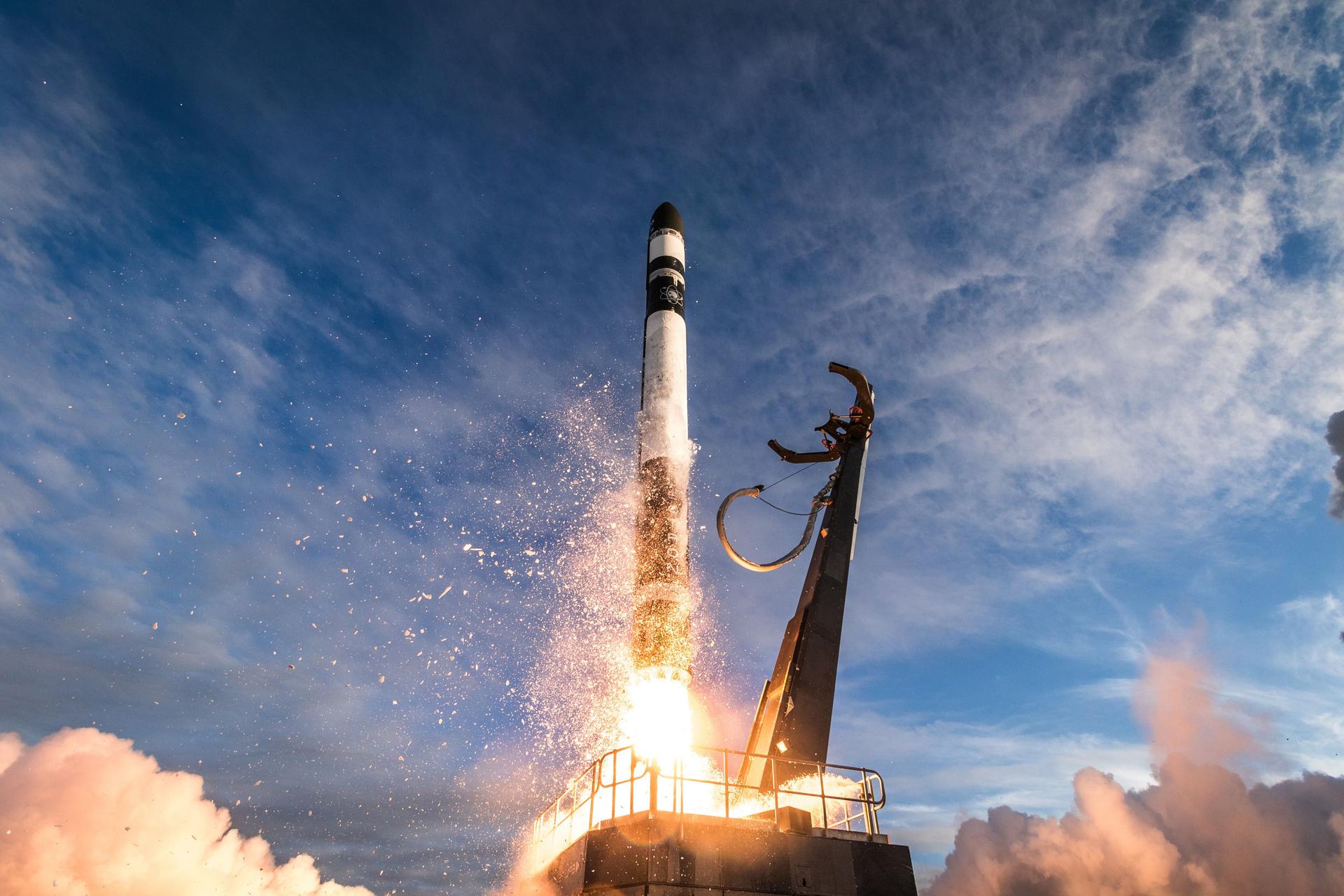
Prometheus Run (VAN)
Government/Top Secret
Suborbital
Sub-orbital launch under Rocket Lab’s Hypersonic Accelerator Suborbital Test Electron (HASTE) program. This mission was lead by MDA and deployed a government-provided primary payload developed by the John Hopkins University Applied Physics Laboratory (JHUAPL), and multiple secondary payloads by federal and industry partners, which tested key technologies for missile defense applications. The mission was contracted to Rocket Lab through the DIU’s Hypersonic and High-Cadence Airborne Testing Capabilities (HyCAT) program, an initiative supporting test and evaluation of new and emerging hypersonic technologies through low cost, responsive and long endurance flight testing.
Status
Launch Successful
The launch vehicle successfully inserted its payload(s) into the target orbit(s).
Pad
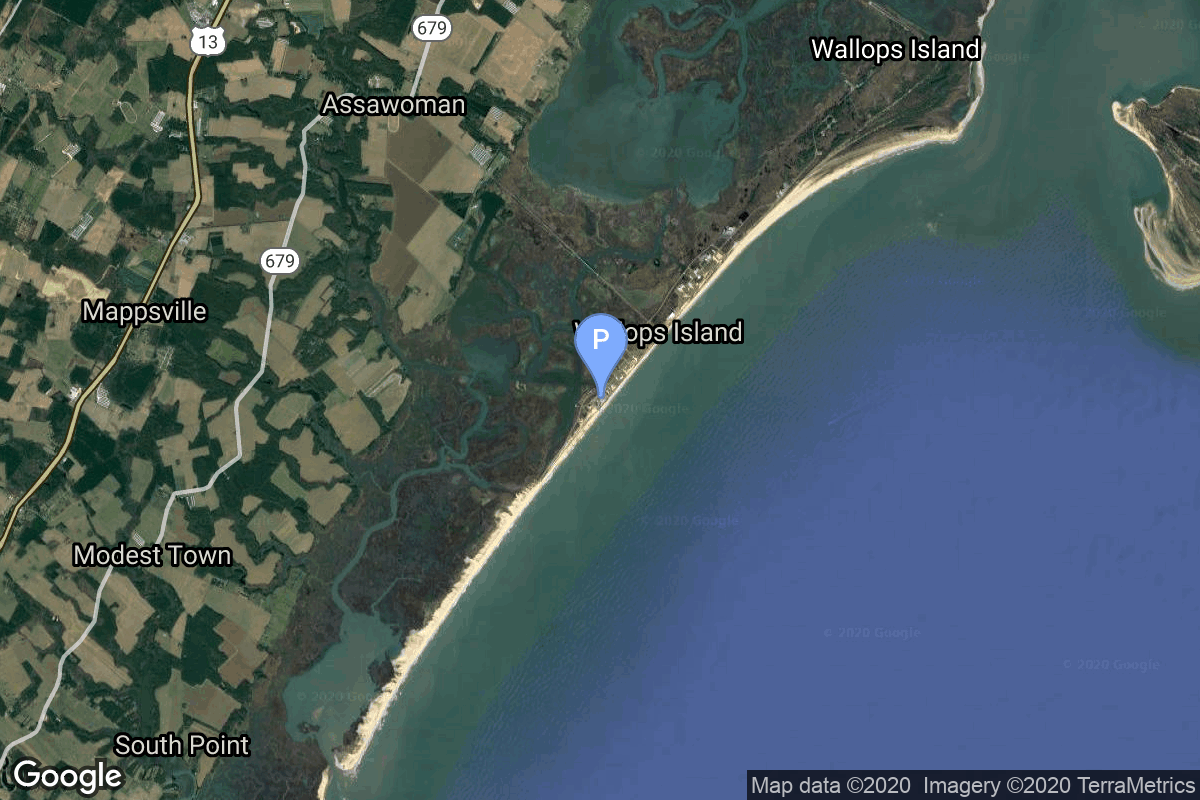
Rocket Lab Launch Complex 2 (Launch Area 0 C)
USA
Latitude: 37.833262
longitude: -75.488235
Map
Location
America/New_York
Wallops Flight Facility, Virginia, USA
Wallops Flight Facility is a rocket launch site on Wallops Island on the Eastern Shore of Virginia, United States, just east of the Delmarva Peninsula and north-northeast of Norfolk. The facility is operated by the Goddard Space Flight Center in Greenbelt, Maryland, and primarily serves to support science and exploration missions for NASA and other federal agencies. WFF includes an extensively instrumented range to support launches of more than a dozen types of sounding rockets; small expendable suborbital and orbital rockets; high-altitude balloon flights carrying scientific instruments for atmospheric and astronomical research; and, using its Research Airport, flight tests of aeronautical research aircraft, including uncrewed aerial vehicles.
87
0
Location Image
Rocket
Electron
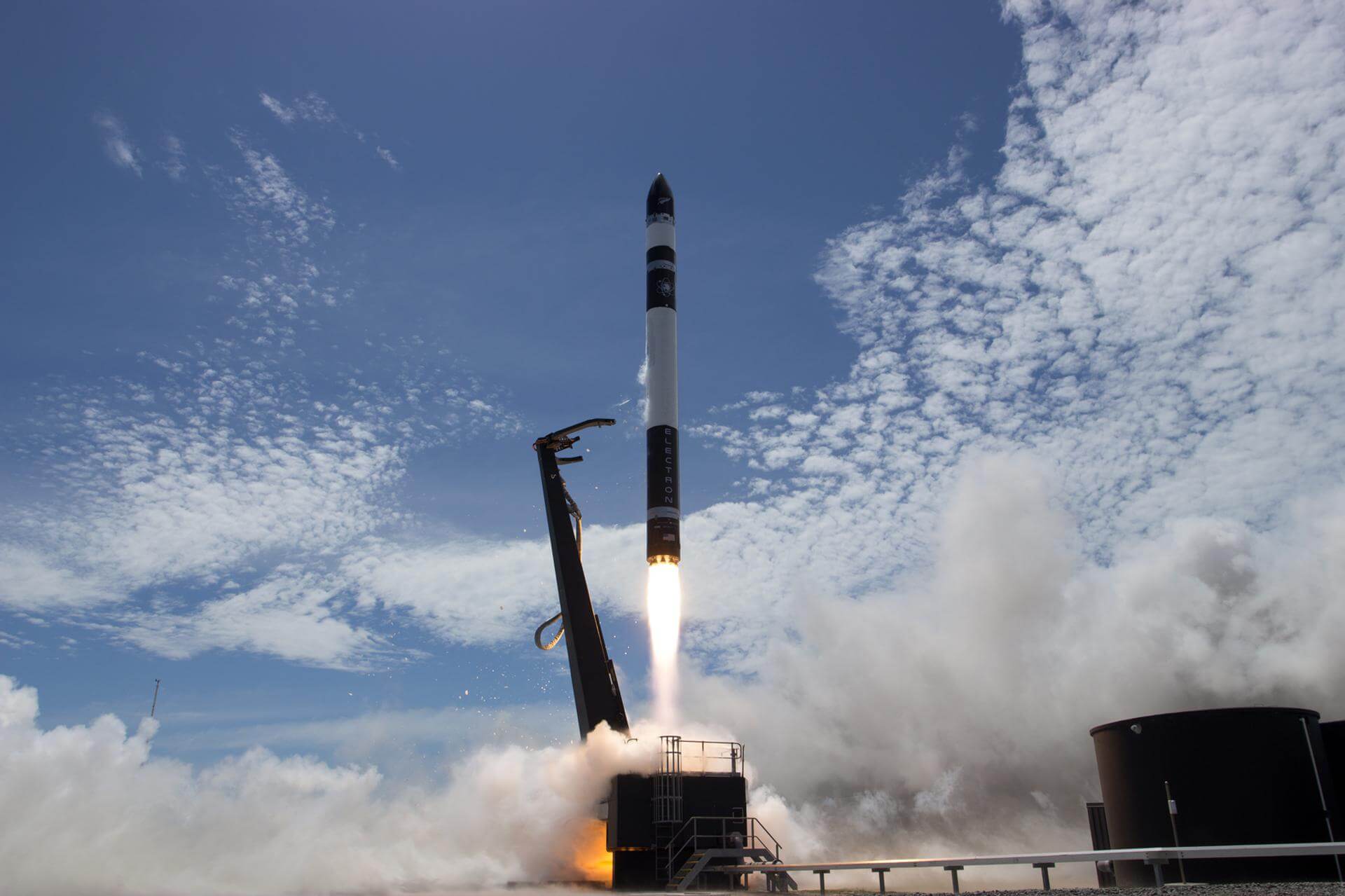
Electron is a two-stage orbital expendable launch vehicle (with an optional third stage) developed by the American aerospace company Rocket Lab. Electron is a small-lift launch vehicle designed to launch small satellites and cubesats to sun-synchronous orbit and low earth orbit. The Electron is the first orbital class rocket to use electric-pump-fed engines, powered by the 9 Rutherford engines on the first stage. It is also used as a suborbital testbed (called HASTE) for hypersonics research.
Details
Min stage: 2
Max stage: 3m
Length: 18.0m
Diameter: 1.2
First Flight: May 25, 2017
Total launch count: 97
Successful launches: 93
Failed launches: 4
Pending launches: 58
Consecutive successful launches: 56
Low Earth Orbit (LEO) capacity: 300kg
Launch cost: US$6000000
Attempted landings: 9
Successful landings: 7
Failed landings: 2
Consecutive successful landings: 4
Manufacturer
Rocket Lab
Commercial
USA
Rocket Lab is an American aerospace manufacturer with a wholly owned New Zealand subsidiary. The company develops lightweight, cost-effective commercial rocket launch services. The Electron Program was founded on the premise that small payloads such as CubeSats require dedicated small launch vehicles and flexibility not currently offered by traditional rocket systems. Its rocket, the Electron, is a light-weight rocket and is now operating commercially. The company is also producing a variety of spacecrafts and spacecrafts components.
2006
CEO: Peter Beck
Electron


Agency
Rocket Lab
Rocket Lab is an American aerospace manufacturer with a wholly owned New Zealand subsidiary. The company develops lightweight, cost-effective commercial rocket launch services. The Electron Program was founded on the premise that small payloads such as CubeSats require dedicated small launch vehicles and flexibility not currently offered by traditional rocket systems. Its rocket, the Electron, is a light-weight rocket and is now operating commercially. The company is also producing a variety of spacecrafts and spacecrafts components.
Details
CEO: Peter Beck
2006
Electron
Total launch count: 97
Successful launches: 93
Consecutive successful launches: 56
Failed launches: 4
Pending launches: 61
Successful landings: 7
Failed landings: 2
Attempted landings: 9
Consecutive successful landings: 4